
The Hidden Cost of Manual Checkouts in Small Libraries
Paper logs and spreadsheets quietly drain small libraries through losses, disputes, and slow audits. Quantify the cost and prioritize fixes.
Manual checkout systems don’t fail loudly—they leak value daily

Manual registers and spreadsheet-based circulation feel “good enough” until a busy day exposes the gaps: a missed entry, an unreadable name, a book shelved in the wrong place, or a return that never gets recorded. For small-libraries run by volunteers or non-technical staff, these tiny errors compound into real operational drag—especially when the catalog isn’t reliably searchable and the status of an item depends on someone remembering what happened last week.
The hidden cost shows up in four places that matter for library-operations and risk-management: (1) lost or untraceable items that quietly inflate replacement spending, (2) staff time spent hunting, re-checking, and reconciling records, (3) patron disputes (“I returned it” or “I never checked that out”) that erode trust, and (4) slow inventory and audit cycles that delay decisions. Even when no money changes hands, these problems reduce availability—meaning fewer successful checkouts and more frustration for patrons and staff alike.
A simple framework to estimate the annual cost of paper logs and spreadsheets
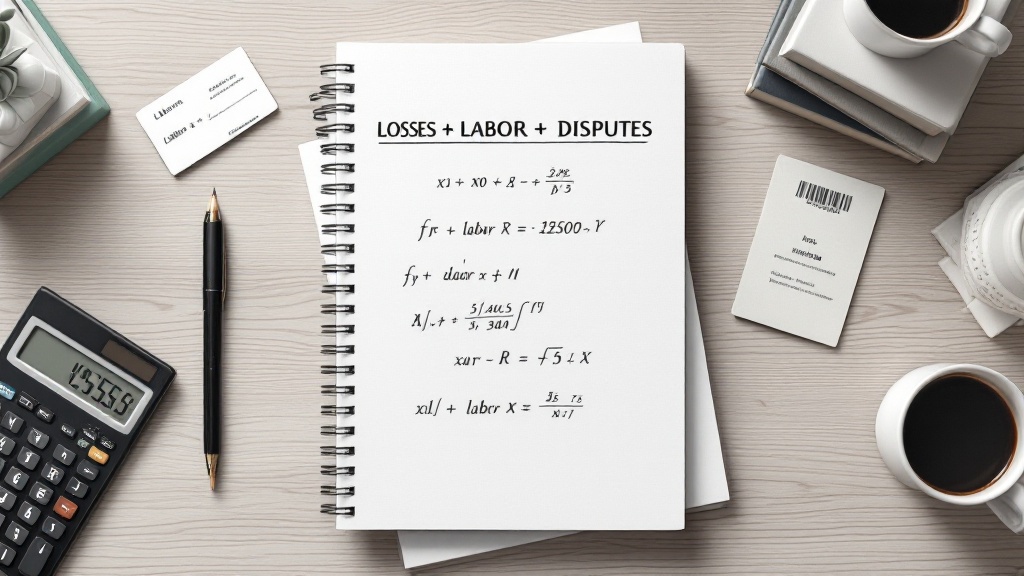
To make the problem actionable, estimate the yearly impact using a quick inventory and workflow model. Add three buckets: Losses + Labor + Disputes. Losses = (books “missing” or written off per year) × (average replacement cost). Labor = (minutes per checkout workaround + minutes per weekly reconciliation + minutes per inventory cycle) × staff/volunteer hourly value. Disputes = (number of disputed checkouts/late returns) × (minutes to investigate + goodwill cost proxy, like a waived fine or replacement).
Next, identify which workflow creates the biggest “leak.” In many small-libraries, the top drivers are: non-unique patron identification, inconsistent due dates, and check-ins that aren’t recorded immediately. If your inventory is slow, measure how long it takes to confirm the status of 20 random titles—if it’s more than a few minutes, your catalog and item status tracking aren’t supporting decision-making. This is where risk-management becomes practical: you’re not just preventing loss, you’re restoring reliability.
Highest-impact fixes: make circulation verifiable, searchable, and automatic

Once you’ve sized the cost, prioritize fixes that reduce errors without adding complexity. First, make every checkout verifiable: use scannable IDs for patrons and barcodes/QR codes for items so each transaction is tied to a specific record—this alone improves circulation accuracy and reduces disputes. Second, keep item status searchable in real time so staff can answer, “Where is this book?” quickly. Third, standardize policies (loan periods, renewals, holds, basic fines) so you’re not reinventing rules in the moment.
Finally, automate what humans forget: due/overdue reminders and hold pickup notices. Automated notifications are a high-return library-operations upgrade because they prevent late returns before they happen and reduce awkward follow-ups. Tools like CirculationCloud are designed for this exact reality—fast setup, phone-camera scanning, and straightforward reports—so volunteers can run consistent workflows without IT. The goal isn’t “enterprise features”; it’s a dependable system that improves inventory accuracy, reduces risk-management headaches, and keeps books circulating.